PROJECT /03
Corridor Duel
INDIVIDUAL PROJECT
- ROLE
- Game Developer / Game Designer
- ENGINE
- Unity
- FORMAT
- Digital Strategy Board Game
- LANGUAGE
- C#
OVERVIEW
The Project
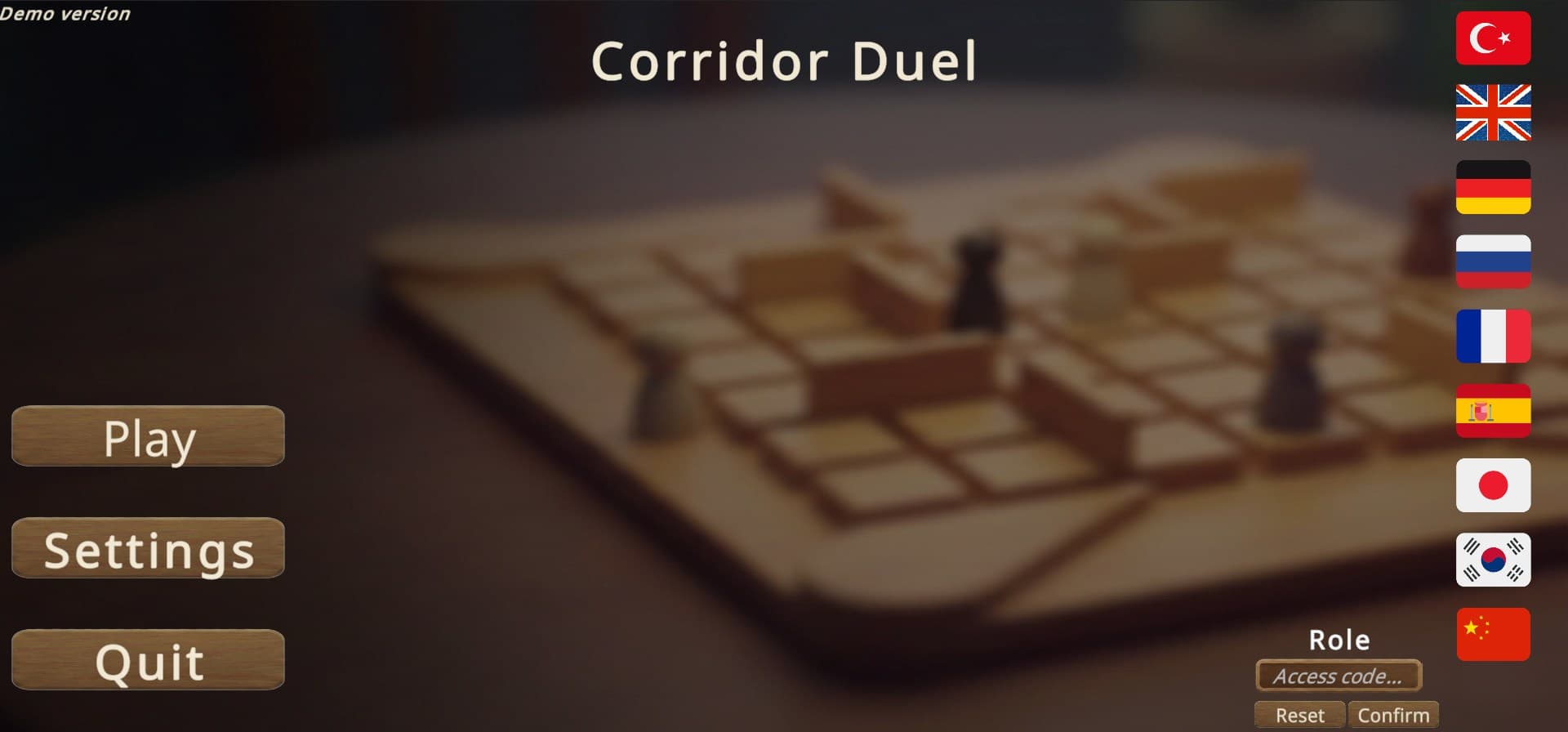
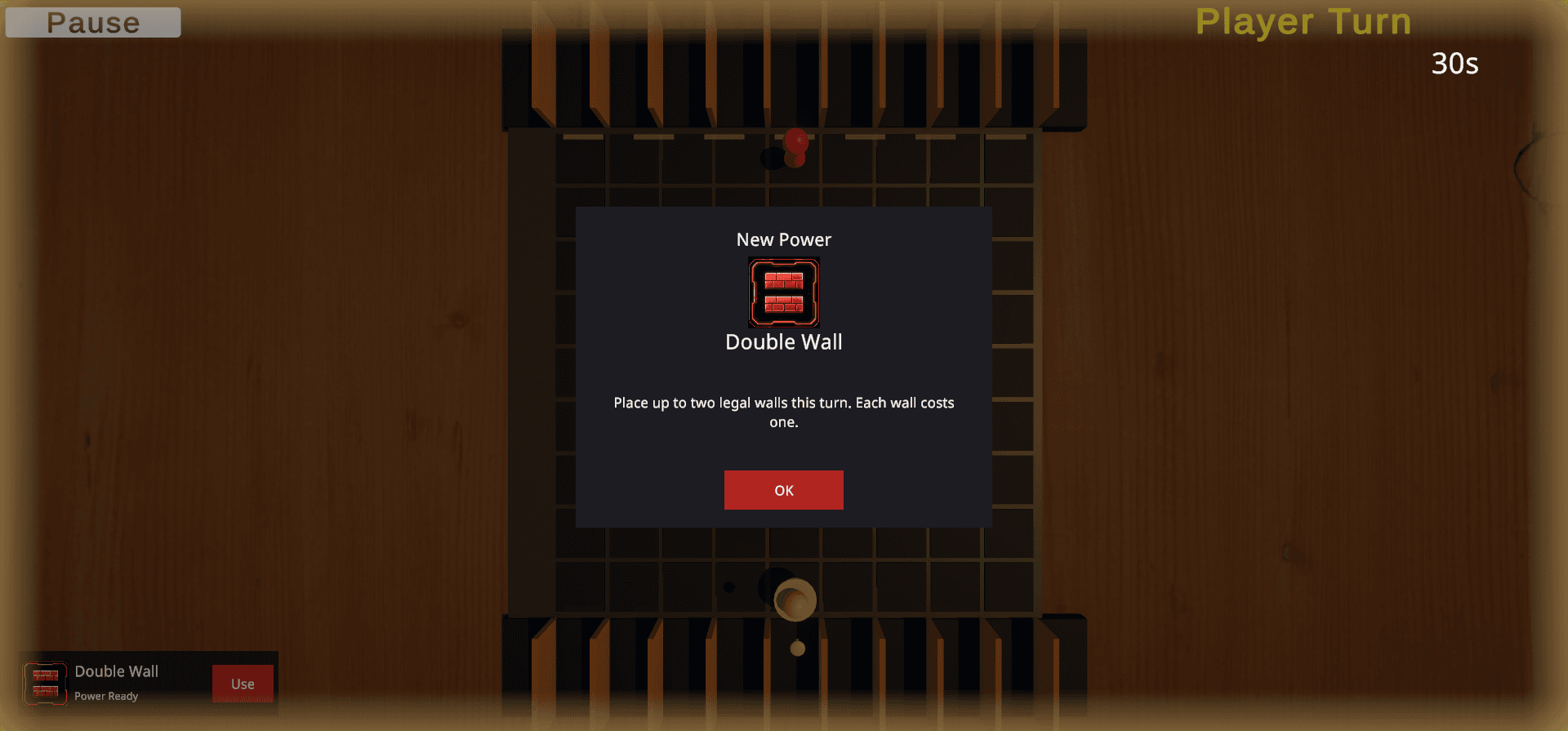
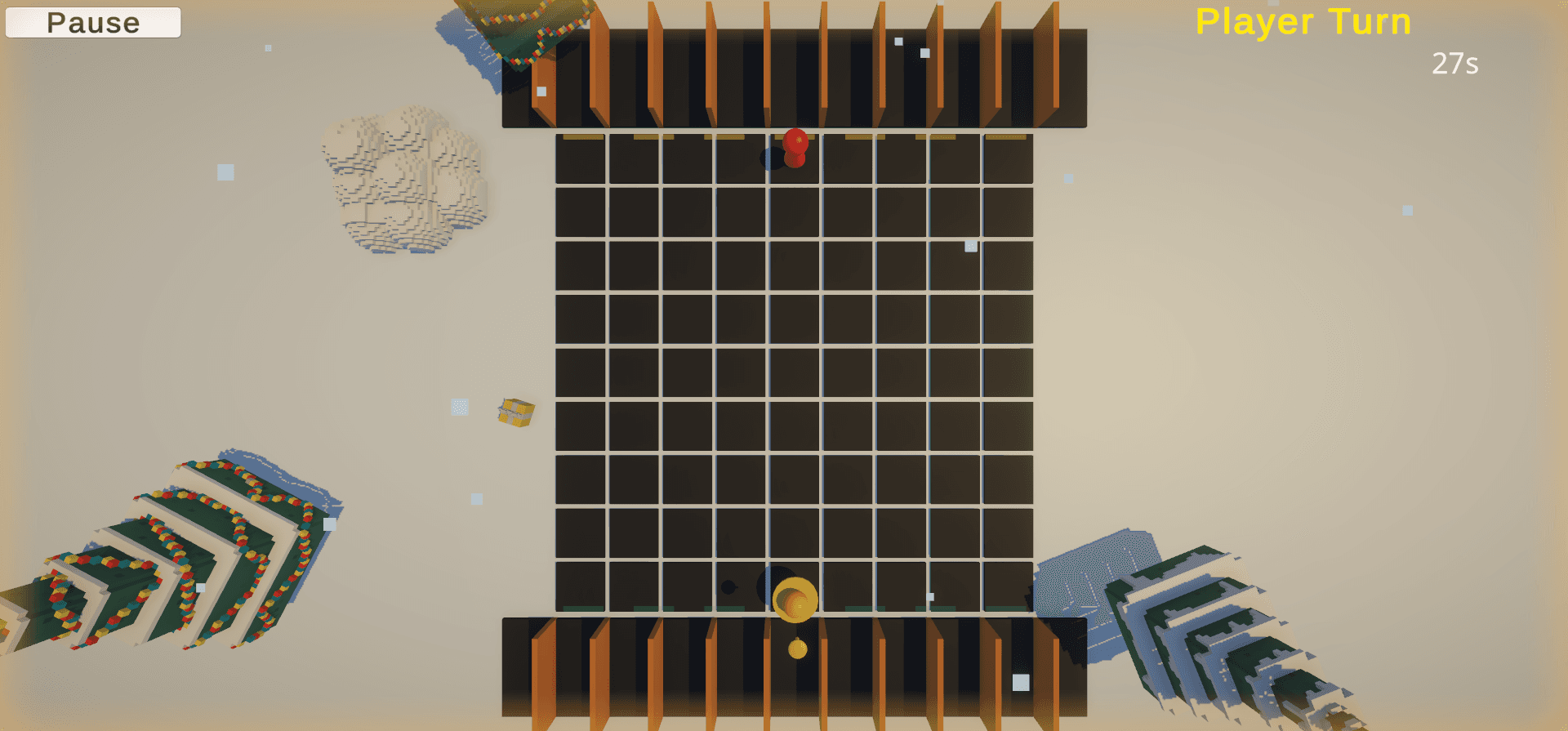
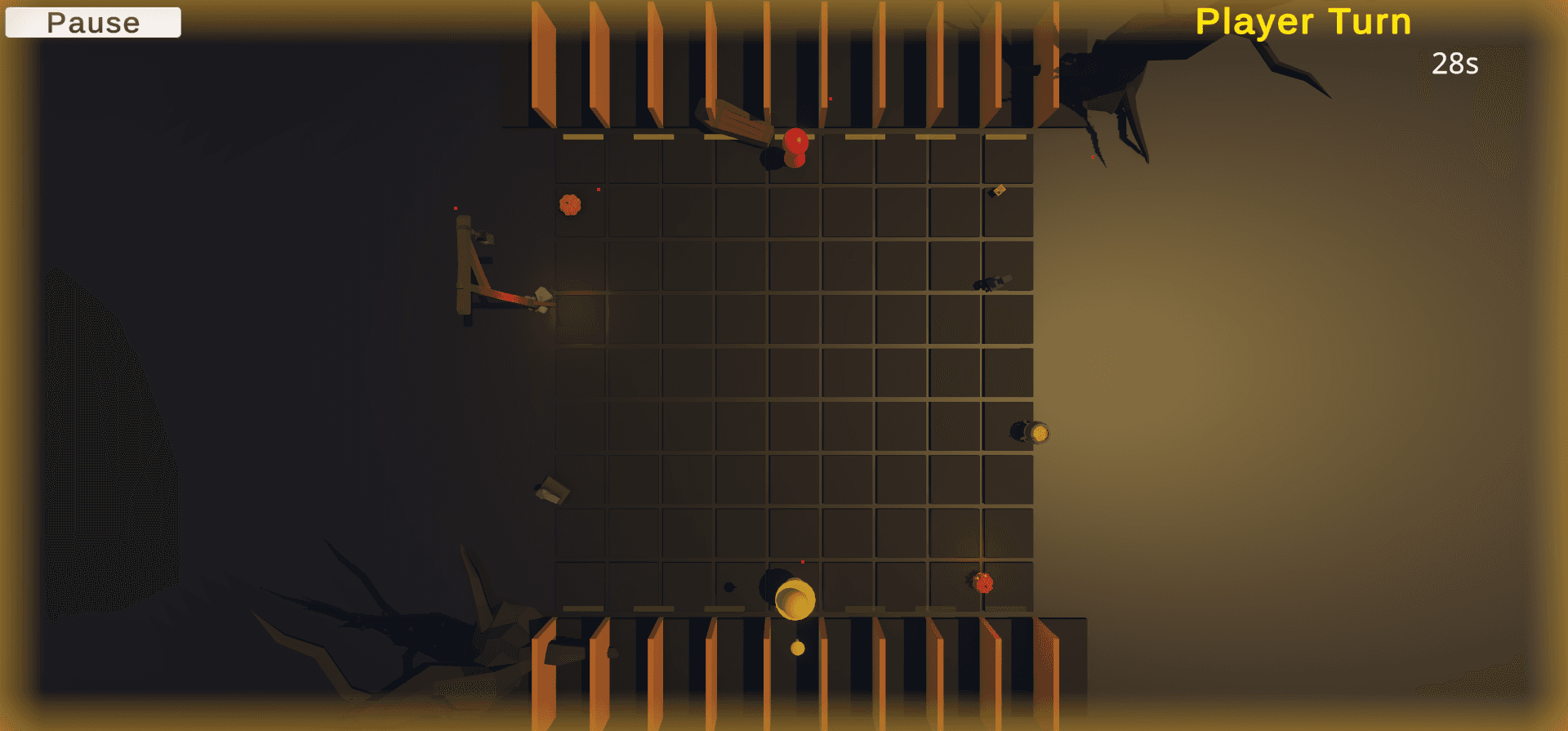
The project began as a Unity strategy-board prototype during Ahmet's VLMedia internship and was later continued independently as Corridor Duel. Its systemic focus connects local board rules, four AI difficulty levels, online multiplayer, 1v1, 2v2, and four-player match structures, an optional Crazy Mode, localization options, and multiple visual themes.
SYSTEM HIGHLIGHTS
Core Systems
A selection of core gameplay systems highlighted through media and code.
TECHNICAL PRESENTATION
Gameplay + Code
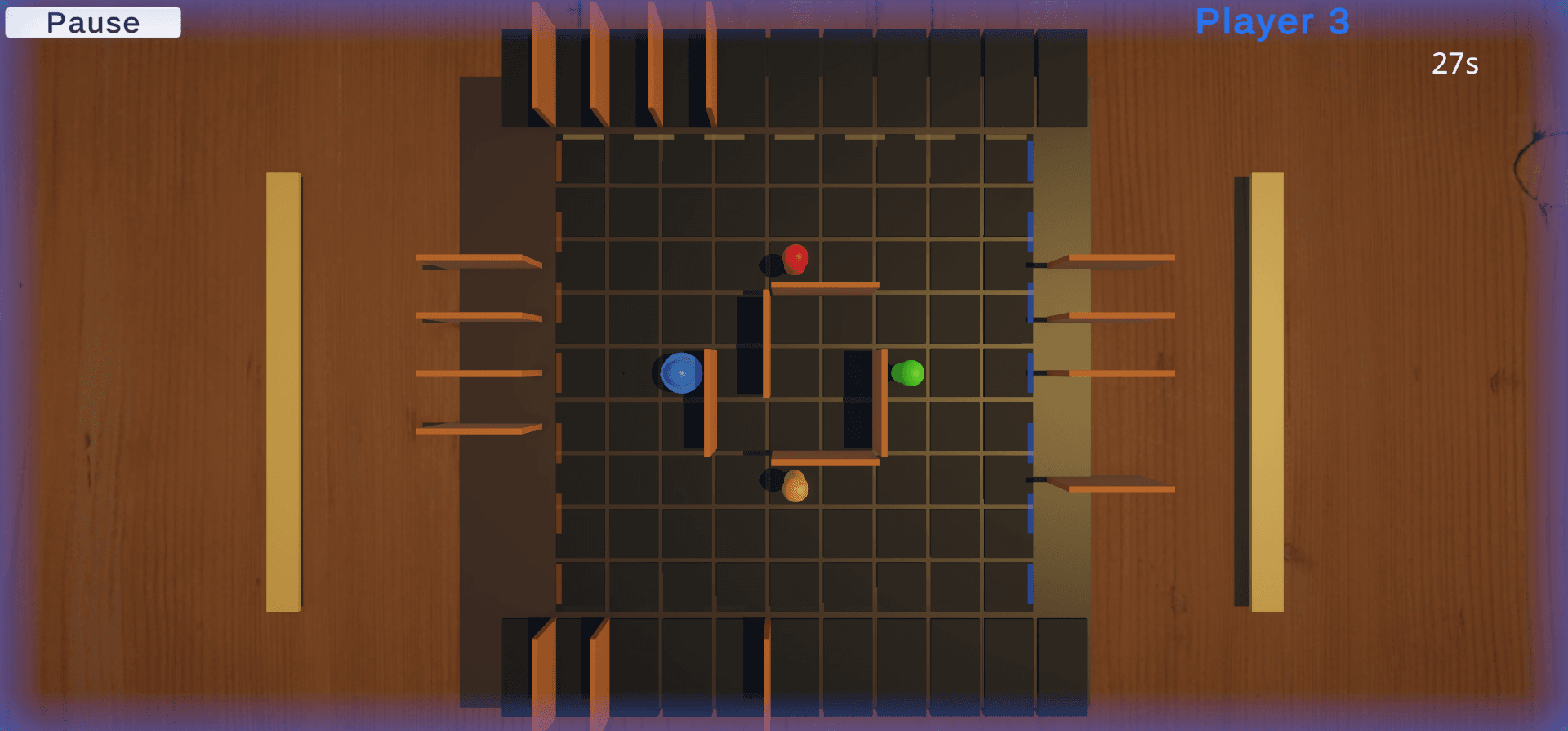
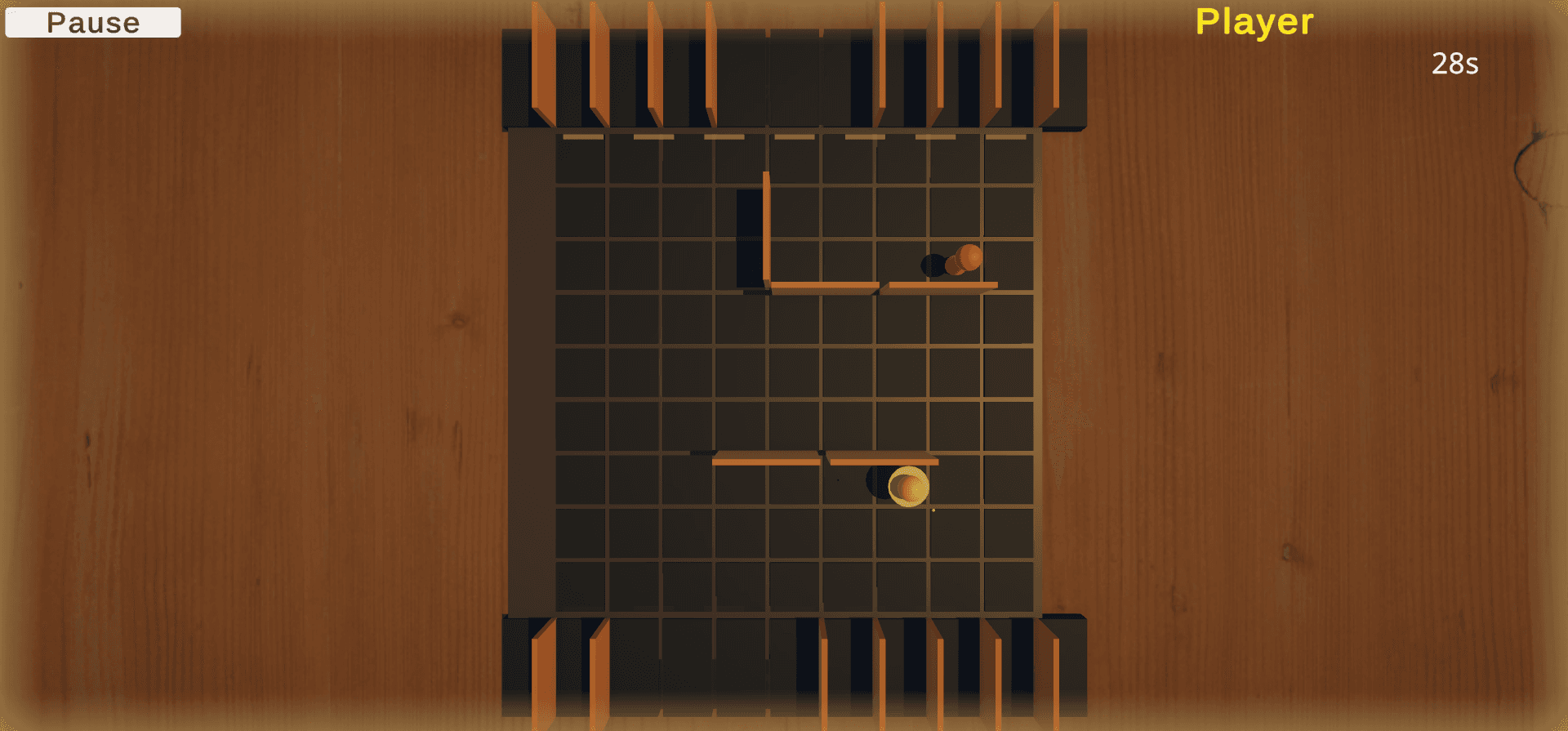
A proposed wall is accepted only after it stays inside the board, avoids existing walls, and preserves a route to the goal for every player.
Core Board Gameplay
Movement, wall placement, turn progression, and rule validation form the board-game foundation.
- CONTRIBUTION
- Implemented the core rules and local gameplay flow, including legal movement and wall-placement validation.
public bool IsPlacementValid(float rotation){ if (wallInstance == null) return false; if (!IsWithinGrid(wallInstance.transform.position, rotation)) return false; if (IsOverlapping()) return false; if (BlocksAnyPlayerPath()) return false; return true;}ARCHITECTURE
System Map
Match setup and gameplay-system flow
A presentation-level map of the verified flow: match configuration establishes the board state; local, AI, or network actions converge on rule validation; accepted actions update the board before win and turn checks. Crazy Mode modifies match behavior rather than acting as a turn step.
- Match Setup
- Flows to: Mode Configuration
- Mode Configuration
- Flows to: Player Configuration
- Player Configuration
- Flows to: Board State
- Board State
- Flows to: Local Input
- Local Input
- Flows to: Rule Validation
- AI Decision
- Flows to: Rule Validation
- Network Action
- Flows to: Rule Validation
- Rule Validation
- Flows to: Move / Wall
- Move / Wall
- Flows to: Board Update
- Board Update
- Flows to: Win Check
- Win Check
- Flows to: Turn Advance
- Turn Advance
- Flows to: Next Action
- Next Action
- Flows to: Rule Validation
- Crazy Mode
- Flows to: Rule Validation (Constraint)
SCOPE
Responsibilities
GAMEPLAY & AI
- Implemented the core rules and local gameplay flow, including movement, walls, turns, and validation.
- Developed AI foundations and expanded them into Easy, Medium, Hard, and Nightmare difficulty profiles.
CONNECTED PLAY & FORMATS
- Established the initial multiplayer structure during the internship prototype and continued its gameplay integration.
- Supported 1v1, team-based 2v2, and four-player free-for-all match configurations.
INDEPENDENT ITERATION
- Continued the prototype independently as Corridor Duel after the VLMedia internship.
- Expanded the interface and project presentation with Crazy Mode, visual themes, and multiple language options.
DEVELOPMENT NOTES
Development Process
- 01
INTERNSHIP PROTOTYPE
The project began during the VLMedia internship as a Unity prototype for a digital strategy board game.
- 02
RULES & LOCAL PLAY
Core rules, movement, wall placement, turn flow, and local gameplay established the first playable foundation.
- 03
INITIAL SYSTEMS
Interface work, early AI foundations, and the initial multiplayer structure extended the prototype during its first phase.
- 04
INDEPENDENT CONTINUATION
Ahmet later continued the work independently as Corridor Duel, expanding AI, match configurations, optional rules, localization presentation, and visual themes.
SELECTED MEDIA
Gallery